Understanding Menopause and Skin Ageing: Tips for Healthy Skin During Transition
One of the most common things I hear in clinic is, "I feel like I've aged overnight."
For many women, menopause can bring changes that seem to appear suddenly. Skin may become drier, less firm, or more sensitive. Fine lines become more noticeable, facial contours soften, and despite maintaining the same lifestyle habits, the body can start responding differently.
These changes are a natural part of ageing and are largely driven by shifts in hormone levels. Understanding why they occur is the first step in finding practical ways to support your skin, body, and overall wellbeing during this stage of life.
Let's take a closer look at what happens during menopause and what can help.
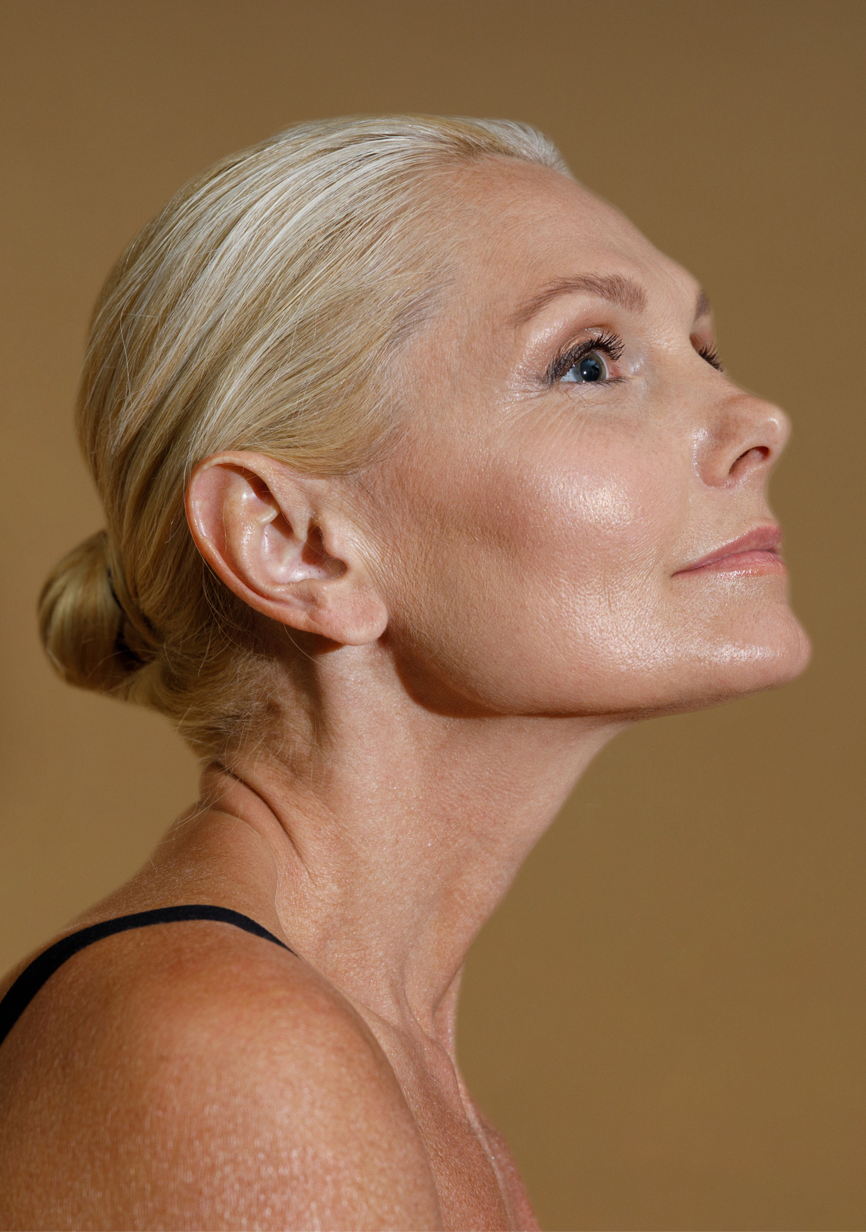
Menopause is a significant milestone in a woman's life. While it is a completely natural transition, many women find themselves noticing changes that seem to occur almost overnight. Skin that once felt firm and resilient may appear thinner, drier, or less radiant. Facial contours can soften, muscle mass becomes harder to maintain, and overall energy levels may feel different.
For many women, these changes can feel frustrating, particularly when they are already taking good care of themselves. Understanding what is happening within the body can help make sense of these changes and, more importantly, identify practical ways to support your health and wellbeing during this stage of life.
What Happens During Menopause?
Menopause occurs when the ovaries gradually reduce the production of hormones, particularly oestrogen and progesterone. These hormones play an important role in many systems throughout the body, including the skin, muscles, bones, brain, and cardiovascular system.
One of the most significant changes is the decline in oestrogen. Research suggests that women can lose up to 30% of their skin's collagen within the first five years following menopause. Collagen is one of the key proteins responsible for maintaining skin firmness, strength and elasticity.
As hormone levels decline, the body undergoes a range of changes that can affect both appearance and overall health.
Changes in the Skin
Many women first notice menopause through changes in their skin.
Common concerns include:
Increased dryness and dehydration
Thinning of the skin
Loss of elasticity and firmness
Fine lines and wrinkles becoming more noticeable
Increased skin sensitivity
Slower wound healing
Changes in pigmentation
Crepey skin texture, particularly around the eyes, neck, and lower face
The skin's ability to produce collagen, elastin, and hyaluronic acid naturally decreases with age, and these changes are accelerated during menopause.
The result is often skin that feels less plump, less resilient, and more prone to laxity.
Changes in Bone Density
Oestrogen plays an important role in maintaining bone health. As levels decline, bone breakdown can begin to occur more rapidly than bone formation.
This can increase the risk of osteopenia and osteoporosis, making bones more fragile over time.
Many women are unaware that bone loss can begin years before symptoms become apparent, which is why regular health checks and discussions with your GP are important during the menopausal transition.
Changes in Muscle Mass
Muscle mass naturally declines with age, but menopause can accelerate this process.
Many women notice:
Reduced strength
Changes in body composition
Increased abdominal fat accumulation
Slower metabolism
Reduced recovery from exercise
Loss of muscle mass not only affects appearance but also impacts mobility, balance, metabolic health, and long-term independence.
The Foundations Matter Most
While there is often a focus on treatments and products, the most important interventions are frequently the simplest.
Prioritise Resistance Training
Strength training is one of the most effective tools available during and after menopause.
Regular resistance training can help:
Maintain muscle mass
Support bone density
Improve insulin sensitivity
Increase strength and stability
Support long-term healthy ageing
This does not mean spending hours in the gym. Consistency is often more important than intensity.
Focus on Nutrition
Adequate protein intake becomes increasingly important during menopause.
A diet rich in:
Lean protein sources
Vegetables and fruit
Healthy fats
Fibre-rich foods
Calcium-rich foods
can help support muscle maintenance, bone health, and overall wellbeing.

Speak With Your GP
Every woman's experience of menopause is different.
For some women, discussions around hormone support may be appropriate. Your GP can assess your individual circumstances, symptoms, medical history, and suitability for various treatment options.
Seeking advice early can often make the transition significantly easier.
Supporting Menopausal Skin at Home
A consistent skincare routine can make a meaningful difference.
One product I frequently recommend for menopausal skin is PressPause® by Synergie Skin.
Specifically formulated to support hormonally ageing skin, PressPause® contains ingredients designed to target the visible effects of oestrogen decline, including dryness, loss of firmness, and reduced skin resilience.
Combined with daily sun protection and an evidence-based skincare routine, it can help support healthier, more resilient skin over time.

Professional Treatments That Support Collagen and Skin Quality In Ageing Skin Due to Menopause
While skincare forms the foundation, professional treatments can provide additional support by stimulating the skin's natural regenerative processes.
Biostimulating Treatments
Biostimulating treatments work by encouraging the body to produce its own collagen over time.
Rather than simply adding volume, these treatments aim to improve skin quality, structure, firmness, and overall facial support through collagen stimulation.
They can be particularly beneficial for menopausal women experiencing skin laxity, thinning skin, and age-related volume loss.
Bioregenerative Treatments
Bioregenerative treatments focus on supporting the skin's natural repair mechanisms.
These treatments can help improve:
Skin hydration
Elasticity
Fine lines
Crepey texture
Overall skin quality
They are often an excellent option for women seeking a subtle and natural approach to skin rejuvenation.
Microneedling
Microneedling creates controlled micro-injuries within the skin, stimulating collagen production and encouraging skin renewal.
It can assist with:
Fine lines
Skin texture
Enlarged pores
Mild scarring
Overall skin quality
Tixel®
Tixel® is a thermo-mechanical treatment that delivers controlled heat to the skin to stimulate collagen remodelling.
It is particularly useful for concerns such as:
Crepey eyelid skin
Fine lines
Wrinkles
Skin laxity
Pigmentation concerns
Many women appreciate that Tixel® offers meaningful skin rejuvenation with relatively manageable downtime.

Professional Skin Peels
Modern skin peels can help improve:
Dullness
Pigmentation
Uneven skin tone
Texture concerns
Overall skin radiance
When performed as part of a tailored treatment plan, peels can complement other collagen-stimulating treatments and help maintain healthy skin function.
A Holistic Approach to Healthy Ageing
There is no single treatment, product, or intervention that can stop the ageing process, nor should there be.
Healthy ageing is about supporting the body through each stage of life.
For menopausal women, this often means focusing on the fundamentals first: nutrition, exercise, sleep, stress management, and appropriate medical support. From there, skincare and professional treatments can help support skin quality and confidence as these natural changes occur.
Menopause is not something that needs to be "fixed". It is a transition that deserves understanding, support, and a thoughtful approach to maintaining health, wellbeing, and confidence for the years ahead.
Comments